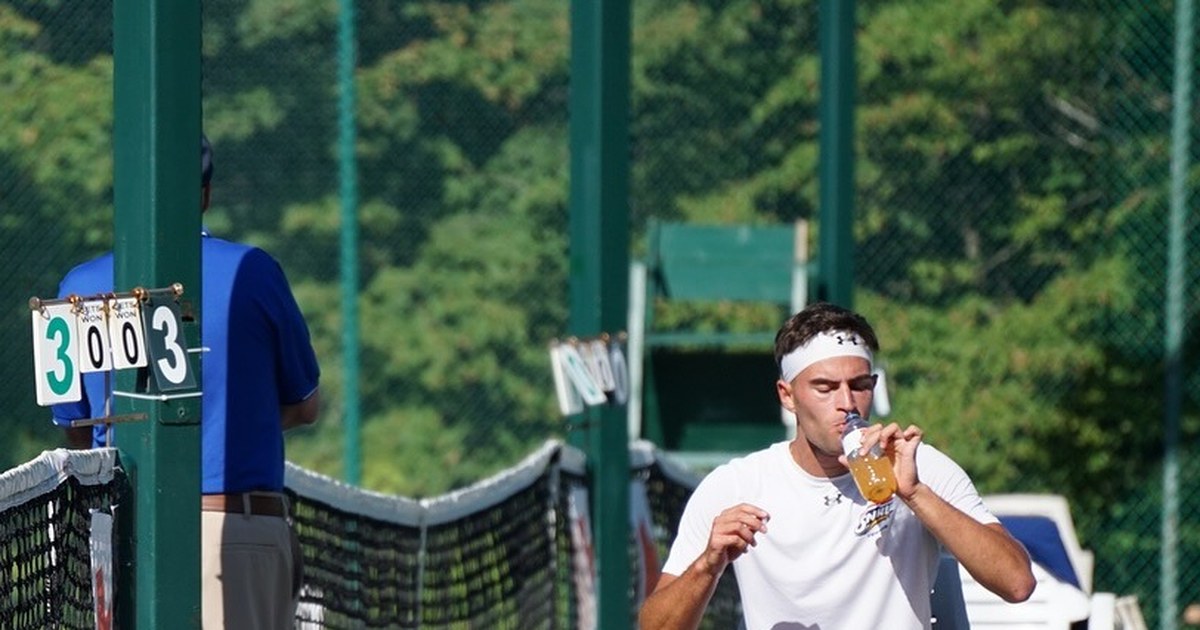
What to do between tennis lessons comes down to one thing: match your practice to the lesson type. A technical lesson needs 24-48 hours of low-intensity shadow swings and feed drills before you groove anything at full pace. A tactical lesson wants you rehearsing patterns in point play. A match-play lesson mostly needs recovery, plus notes on what broke down so your next session starts with evidence instead of "I practiced a bit."
What should you actually do between tennis lessons?
You have one job in the 24-72 hours after a lesson: repeat the coached change while your brain consolidates it, then space further reps across days instead of stacking them into one marathon session. Motor learning research supports both moves: distributed practice beats blocked practice for skill retention, and sleep plays a role in consolidating new motor sequences.
The 24-72 hour window, in plain terms
Day one, run the drill your coach assigned at slow speed, focusing on the one cue they gave you, not the whole stroke. Day two, add shadow swings or bucket feeds at match tempo. By day three, put the change into a live scenario — even a cooperative crosscourt rally — so it survives pressure.
If you paid $60-150 for the lesson, this is the part that makes it stick. Skip the window and you arrive next lesson re-grooving the old pattern.
How soon after a lesson should you practice what you learned?
Same-day: light reps only
Skip the hard session. Your coach just rebuilt a movement pattern, and your body will default back to the old one the moment you get tired. If you hit at all, keep it to 15-20 minutes of shadow swings and soft-fed balls, no live points. The goal is a rough sketch of the new feel, not mastery.
Day 1-2: the consolidation window
This is when the change actually sticks. Motor learning research generally supports spacing practice across days rather than cramming it into one session, so plan your first real working session 24-48 hours after the lesson. Hit the specific drill your coach assigned, at moderate intensity, with a basket rather than match play.
Two things to avoid: grooving the new technique at full speed before it's stable, and filling the window with matches where the old habit wins under pressure. A UTR 4 pusher will happily expose a half-grooved backhand. Practice the rep, then test it later.
What solo drills reinforce a new technique without grooving errors?
Match the drill to what the coach actually changed. A technical fix needs slow, no-pressure reps; a tactical cue needs decision-making under fatigue.
Shadow swings and wall work for technical lessons
If your coach rebuilt your serve toss or backhand takeback, shadow the motion in front of a mirror at half speed, then take it to a wall where the rebound is predictable. Slow reps with full attention beat 200 fast balls at a ball machine while the old habit still runs the show.
Self-feed drills that isolate one cue
Self-feed so you control the tempo and can freeze after each ball to check the one cue your coach gave you. One cue per session. Two cues means neither sticks.
When a drill is making things worse
| Warning sign | What it means | Fix |
|---|---|---|
| Ball flight gets worse after 10 reps | You're compensating, not learning | Slow down or drop-feed |
| You forget the cue mid-drill | Too much volume, not enough attention | Cut reps in half |
| Contact point drifts | Drill too fast for the new pattern | Self-feed only |
Honest note on Ace: it tracks match and drill stats well, but it can't watch your shadow swings. Wall-work feedback still comes from filming yourself or the next lesson.
How should recovery between lessons affect your practice schedule?
A lesson is a load, not just a lesson. If you drilled serves for an hour, your legs and shoulder took a hit, and the 24-72 hour window should be planned around that, not on top of it.
Matching intensity to soreness and match load
If you're sore from the lesson or played a league match the day before, keep the first day light: shadow swings, basket feeds at half pace, or footwork only. Save full-intensity serving and live-ball drilling for day two or three, once soreness has cleared.
A workable split: day one is technique at low intensity, day two is rest or an easy hit, day three is match-speed execution of what the coach assigned. If a tournament is inside the window, drop the hard drilling entirely and protect the legs.
What mental rehearsal methods help retain coaching feedback?
Re-watching lesson video with one question
If your coach films clips, watch them once per day with a single question: "what did she say about my contact point?" or "where did my weight go on the second serve?" One question per viewing keeps you from passively re-watching.
Visualization scripts tied to the coach's cue
Spend five minutes before bed rehearsing the specific cue, not the outcome. If the fix is "turn the shoulder earlier," visualize the shoulder turn, the ball, and the timing — in that order — for 10-15 serves. Motor imagery works best when it's short, vivid, and repeated; treat it like a drill with reps, not daydreaming.
Both methods are light on the body, which matters: mental work counts toward your load, and adult recreational athletes recover from accumulated practice more slowly than they assume.
How do you practice tactics between lessons without a partner?
Tactics need reps against an opponent, but you can rehearse the decisions solo so they're automatic by match day.
Pattern drills against a wall or ball machine
Pick one pattern your coach gave you — like serve wide, forehand into the open court. On a wall, simulate it: hit a serve toss, then play the first two shots of the pattern at full intensity. With a ball machine, program the feed so ball two arrives where a real opponent's reply would. The goal is decision speed, not stroke beauty. Run the pattern ten times, then run the escape route when the opponent handles it.
Writing a game plan for your next opponent type
Before a match against a pusher, write three patterns on paper: how you'll attack the short ball, how you'll handle the moonball without overhitting, and what you'll do on break point. Rehearse each on the wall or in a basket of serves. Apps like SwingVision let you tag points from past matches, so pull your last loss and note where the pattern broke down. Ace Tennis Coach does the same from your logged matches, flagging which patterns are leaking points so your wall work targets the actual weakness.
When should you rest instead of practicing between lessons?
Skip physical practice when soreness is above a 4 out of 10, when your serve toss is drifting because you're fatigued, or within 24 hours of a match that went three sets. Replace it with mental reps instead.
So on a rest day: 5-10 minutes rehearsing the exact cue your coach gave, visualized at real speed, then stop. If your last match exposed a pattern problem, run the decision points through your head; if it exposed a technique problem, wait until your body can actually execute the fix.
How do you track whether between-lesson practice is working?
What to log after every session
Keep it to four things: what the coach assigned, what you actually drilled, first-serve percentage and unforced error counts from any match play, and one sentence on how the stroke felt. Without the assignment written down, you'll drift back to grooving your forehand because it feels good.
Where Ace Tennis Coach fits, and where it doesn't
Ace tracks your season, match stats, and assigned drills in one place, then points at the weakest link — which is the coaching layer most standalone tracking tools leave out. It won't watch your swing like SwingVision, and if you won't log matches, no app will save you.
FAQ
How many times should you practice between tennis lessons?
Two to three short sessions across the 24-72 hour window beats one long grind. Run the assigned drill at slow speed on day one, add tempo and shadow swings on day two, then test the change in a live rally or point play by day three. Spacing reps across days helps retention more than stacking them.
Should I practice the same day as my tennis lesson?
Keep it to 15-20 minutes of shadow swings and soft-fed balls at most, or skip hitting entirely. Your coach just rebuilt a movement pattern, and fatigue pulls you back toward the old habit. The goal is a rough sketch of the new feel, not mastery. Save the real working session for 24-48 hours later.
What can I practice alone to improve my tennis between lessons?
Shadow swings in front of a mirror, wall rallies at a controlled tempo, and self-feed drills that isolate the single cue your coach gave you. For tactics, rehearse one assigned pattern against a wall or program a ball machine to simulate an opponent's reply. Film yourself, since no app can watch your shadow work.
How long does it take for a lesson fix to stick in a match?
Plan on roughly three days before the change survives pressure: one day to sketch the feel, one to consolidate at moderate intensity, one to execute at match speed. Under match stress the old habit usually wins until the new pattern is stable, so test it in cooperative rallies first and expect several lessons for a full rebuild.
Is it bad to play a match right after a tennis lesson?
Usually yes. A match pushes you back to your old patterns the moment points get tight, which can re-groove exactly what the coach just changed. If you must play, treat it as a test of the old game and take notes on what broke down. Better to wait a couple of days, then trial the fix in low-stakes points.